If you have any reason to suspect your pet has ingested something toxic, please contact your veterinarian or one of the other resources* listed:
• ASPCA Animal Poison Control Center 24-hour hotline at (888) 426-4435
• Pet Poison Helpline® 24-hour animal poison control service at (855) 764-7661
*The resources listed above are not affiliated with the American College of Veterinary Pharmacists (ACVP), and they may charge a consultation fee. ACVP provides this referral information solely as a public service and does not receive any compensation from these organizations.
Kalanchoe
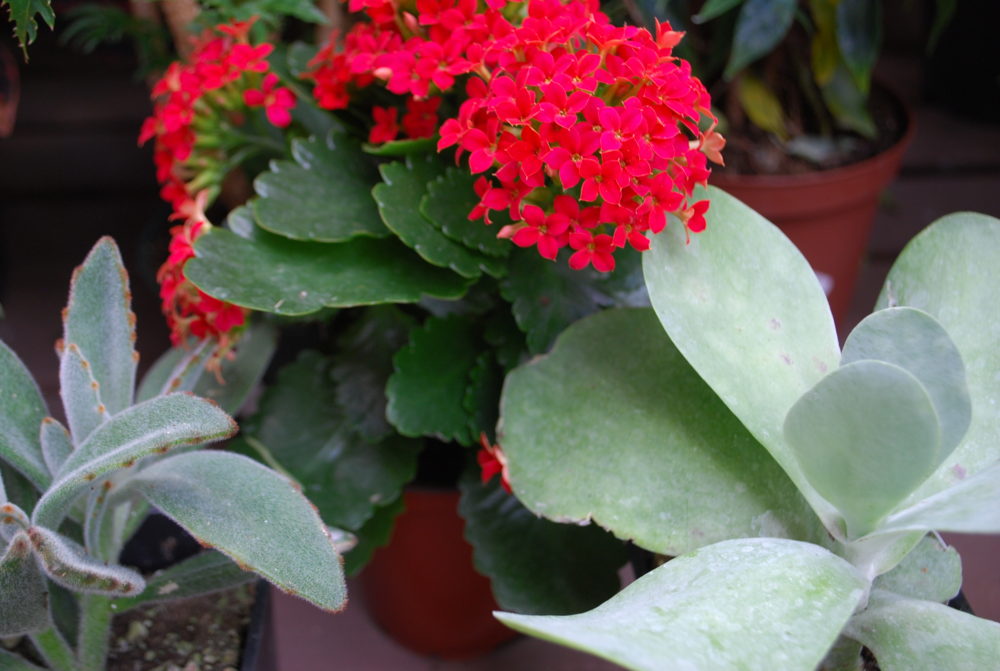
Common Names: Kalanchoe, Airplant, Cathedral bells
Scientific Name: Kalanchoe spp (Crassulaceae)
Kalanchoes are popular ornamental houseplants and succulent garden plants. They are also commonly purchased for decorations during the Chinese New Year. Kalanchoes are toxic to animals and should always be kept out of the reach of pets.
Signs and symptoms of toxicity: Clinical signs seen within hours of ingestion. Signs of toxicity include depression, rapid breathing, teeth grinding, difficulty walking and paralysis.
Toxic consumption: The minimum threshold for toxicity is not known and suspected consumption should be reported immediately.
References:
– Brownie CF. Poisonous Houseplants and Ornamentals. The MERCK Manual Pet Health Edition Web site. http://www.merckvetmanual.com/mvm/toxicology/plants_poisonous_to_animals/houseplants_and_ornamentals.html. Updated May 2012. Accessed May 20, 2015.
Pet Poison Control is provided free as a public service by the American College of Veterinary Pharmacists. Today we’re asking you to support us with a small contribution. If you would like to dedicate your gift in honor or memory of a pet or individual, you will have that option before checkout. Your gift of any amount helps us maintain this resource and make it available to the pharmacy and veterinary communities. Thank you!